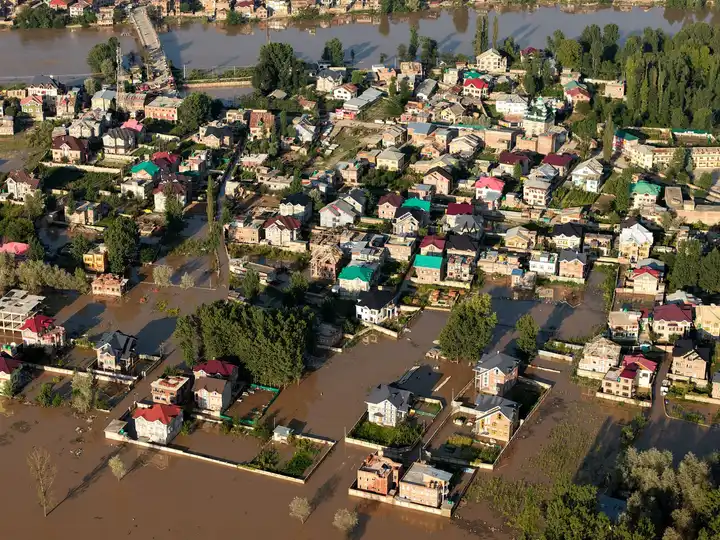
House Flooded? What to Do in the First 24 Hours
If your house flooded, make it safe, stop the water, take photos and call for water removal within hours. Here is your plan for the first 24 hours.
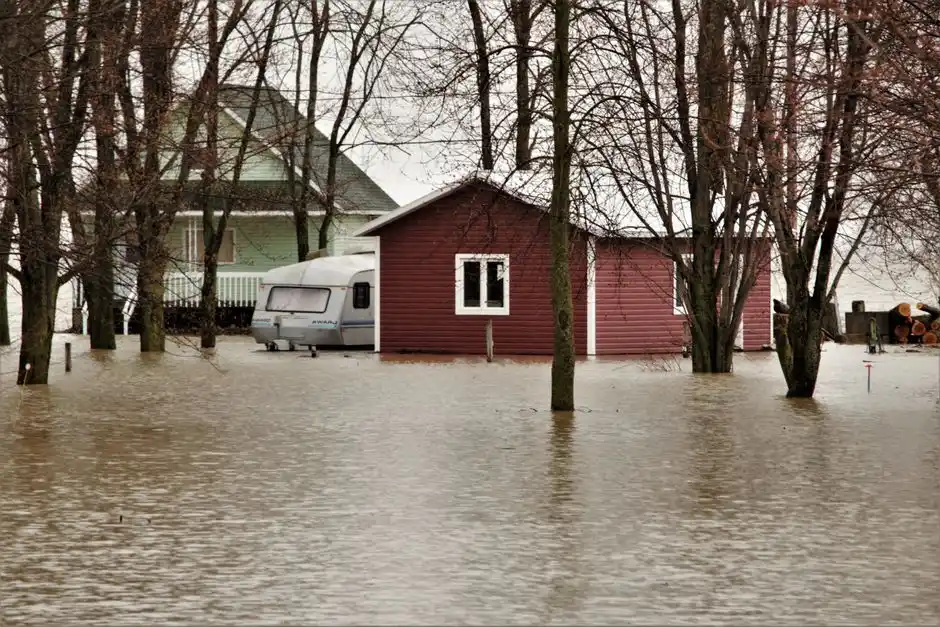
If your house flooded, the first 24 hours are the ones that matter: make the area safe, stop the water, document the damage and call a water removal crew within the first few hours. Water that is pumped out and dried quickly does far less damage than water that sits overnight, and the EPA advises drying a flooded home within 24 to 48 hours to limit mold. Here is a clear plan, hour by hour, for what to do and what to leave alone.
What should you do in the first hour after a flood?
In the first hour after a flood, you should get everyone safe, stop the source of the water if you can and avoid anything electrical in wet areas. Do these in order.
- Get people and pets out of the wet area. Floors are slippery and standing water can hide hazards.
- Stay away from electricity. Do not touch outlets, cords or appliances while standing in water. If water is near the electrical panel, do not go near it, and call the utility or an electrician.
- Stop the water. Shut off the main valve if a pipe or fixture is the source.
- Smell for gas. If you smell gas, leave the house and call the gas company from outside.
- Call for help. A water removal crew can start while you do the rest.
If the water came from a storm outside, there may be nothing to shut off. In that case, protect yourself first and wait for water to stop entering.
How do you stop the water and stay safe?
You stop the water by finding the source and shutting off the closest valve, and you stay safe by treating every wet area as an electrical and slip hazard until proven otherwise. These are the common sources and what to do.
- Burst pipe or fixture: shut off the main water valve, usually near the meter or where the line enters the home.
- Water heater: shut off the cold-water supply to the tank and turn off power or gas to it.
- Washer or dishwasher: close the supply valves behind the unit.
- Storm runoff: nothing to shut off, so keep away from the water and wait for it to recede.
Wear rubber boots and gloves if you must walk through water. Do not walk through deep water near outlets. Never run a household vacuum, a TV or a space heater in a wet room.
A split supply line is the cause of many middle-of-the-night floods. Burst Pipe Water Cleanup in El Mirage takes over after the main is off, with pumping, tracing the water through walls and drying, while your plumber repairs the line.
What should you do between hours 1 and 6?
Between hours 1 and 6, you should document the damage, call your insurance company, protect belongings and get water removal underway. This is the window where quick action saves the most.
- Take photos and video of the source, the water level and every wet room, before moving anything.
- Call your insurer to report the loss. Ask what they want you to keep and what you can start on.
- Lift valuables. Move electronics, papers, photos and small furniture to dry spots. Put foil or wood blocks under furniture legs on wet carpet.
- Remove wet rugs and loose items if you can lift them safely.
- Get the water out. The longer water sits, the deeper it goes.
A gallon of water weighs about 8 pounds, so a flooded room holds a lot of weight. A pump and extraction equipment do this quickly. Emergency Water Extraction in El Mirage uses a submersible pump and wet vacuums that remove standing water and pull water out of carpet and pad.
If the leak is coming through the ceiling, keep people out from under it. A bulging ceiling can drop water and drywall at once, so Ceiling & Wall Leak Water Cleanup in El Mirage starts with relieving the water safely, then removing wet material above.
What should you do between hours 6 and 24?
Between hours 6 and 24, you should get drying started, keep the air moving and check for hidden water in walls and floors. The goal is to get moisture out before it settles in.
- Start drying. Professional air movers and dehumidifiers pull moisture out of the structure far faster than household fans.
- Keep the room closed while dehumidifiers run, so they work on your home's air.
- Keep the AC on in the room, since a cool, dry, closed room dries predictably.
- Check behind and under things. Water travels under walls and into closets and cabinets.
- Hold off on throwing away damaged items until you have photos and your insurer has weighed in.
Drying works best with measured readings. Structural Drying & Dehumidification in El Mirage starts with a moisture map of your walls and floors, so you know where the water went and when each area is dry.
If the water came from a water heater or washer, check the wall behind the appliance, where moisture hides. Appliance & Water Heater Leak Cleanup in El Mirage includes reading that wall with a meter, since a damp wall base is where slow damage starts.
Is the water clean or contaminated?
The water in a flood is either clean, such as from a supply line, or contaminated, such as from a storm, a sewer or a drain, and the difference changes everything you do next. Clean water from a pipe can often be handled with extraction and drying, and carpet may be saved if cleanup starts within the first day.
Contaminated water is a different problem. Storm runoff and sewage carry bacteria and debris, and carpet, pad and wet drywall that soaked in it generally have to be removed. Do not wade through it without boots and gloves, do not let children or pets in, and wash your hands after contact.
Clean water can also turn dirty. After about 48 hours, clean water that sat on carpet and in walls can pick up bacteria and move into a worse category, which is another reason the first day matters.
After a monsoon storm, runoff often enters at doors and garage thresholds. Monsoon & Storm Flood Water Removal in El Mirage covers pumping, mud removal and cleaning, because storm water is treated as contaminated.
What should you not do after a flood?
After a flood, you should not go near electricity in water, wait to see if it dries, or throw everything out before documenting it. These are the most common mistakes.
- Touching electrical items in water. It risks shock.
- Using a household vacuum. It is not made for water and can shock you.
- Waiting to see if it dries. Water soaks deeper every hour.
- Skipping photos. Without a record, claims are harder.
- Opening windows in humid weather. Moist air slows drying.
- Painting or covering wet walls. It traps moisture.
When to call a professional
You should call a professional in the first few hours of a flood, not after a day of trying on your own. Call right away if the water is deep, reached walls, came from a storm or a sewer, or is still coming in.
Water Damage El Mirage Pros answers day or night, tells you what to shut off and what to avoid, and sends a crew to start pumping and drying. The earlier we start, the more of your home we can keep.
Frequently Asked Questions
How fast do I need to act after a flood?
Start within hours. The EPA advises drying a flooded home within 24 to 48 hours to limit mold growth.
Should I turn off the power after a flood?
Only if you can reach the breaker without standing in water. If water is near the panel, stay away and call the utility or an electrician.
Can I stay in my house after a flood?
It depends. If there is no standing water near electricity and the water was clean, you can often stay. If the water was contaminated or the power is unsafe, leave until it is dealt with.
What should I save first after a flood?
Save people and pets first, then important papers, medications and electronics. Lift them to a dry place, and photograph everything before moving it.
Get help with Water Damage Removal in El Mirage
If your house flooded, do not wait. Call us and we will tell you what to do first.