Focused arrival windows
Useful updates and clear arrival timing.
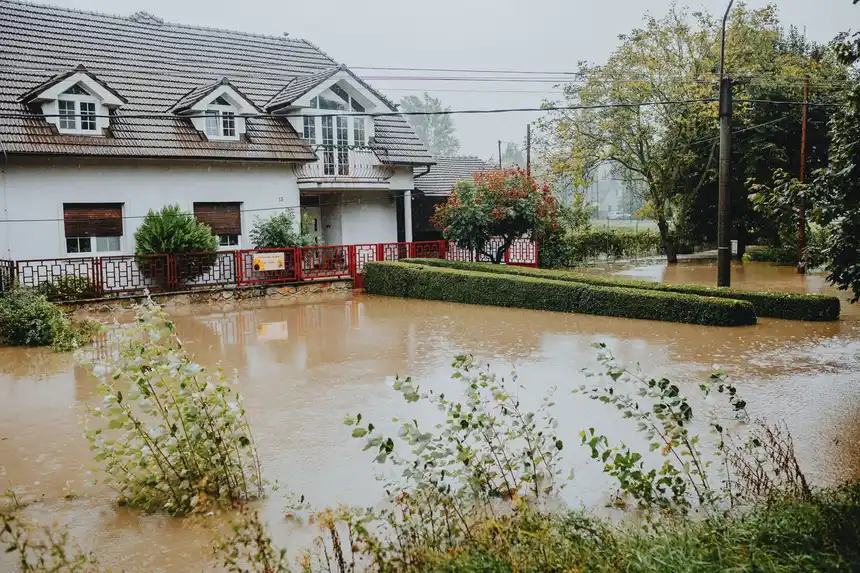
Structural Drying & Dehumidification in El Mirage is how we finish a water damage job after the standing water is gone. Air movers push moving air across wet surfaces, dehumidifiers pull the moisture out of the air, and moisture meters tell us when each wall and floor is truly dry. Call (623) 278-0032 if your home still feels damp after a leak.
Useful updates and clear arrival timing.
Review the approach and price before deciding.
Equipped vehicles and respectful cleanup.
Neighbors serving neighbors with follow-through.
Our drying service covers moisture mapping, equipment, daily monitoring and a documented finish. Repairs and rebuilding after the structure is dry are separate jobs.
We scan walls, floors and baseboards with a meter and mark the wet boundary, so you can see how far the water traveled and where the drying has to reach.
We set air movers along walls and across floors so moving air reaches every wet surface, including corners and the base of walls where water collects.
We size and place dehumidifiers to the volume of the space and keep the room closed, so moisture is pulled out of the air and drained away.
We return to read the meter on wet and dry reference spots, then move equipment to areas that are still wet until every reading matches.
We give you the final numbers when the structure is dry, so you know the walls and floors are ready to be closed up, painted or finished.
Share what is happening and receive a clear next step from the local team.
Structural drying is the controlled removal of moisture from walls, subfloors, framing and flooring after water has soaked a building. It is needed any time water reached drywall, wood or carpet pad, because those materials hold moisture long after the puddle is gone. Drying equipment creates airflow and lowers humidity so the water held in the materials evaporates and is carried out of the room.
Dry desert air does not do this job for you. A wall cavity is closed in, so the air inside it barely moves, and the moisture can sit there for weeks. The EPA recommends keeping indoor relative humidity between 30 and 50 percent, and we use that as the target for the air in your home. Our structural drying in El Mirage ends only when the meter readings on the wet materials match the readings on dry ones nearby.
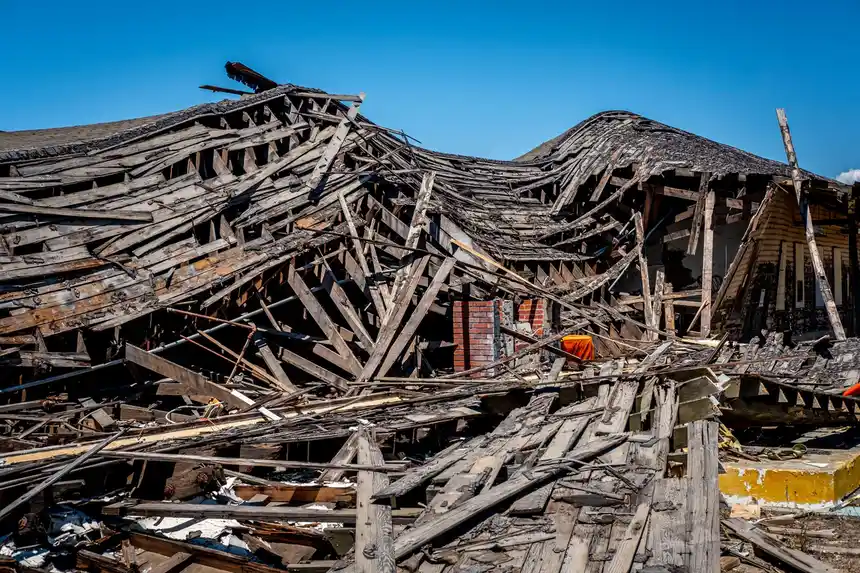
We scan walls, baseboards and floors with a moisture meter and mark the wet boundary. This map shows how far the water traveled and gives us the starting readings we compare against every day.
We place air movers to push air across wet surfaces and low corners, then size the dehumidifiers to the volume of the space. Doors and windows stay closed so the dehumidifiers pull moisture from your home and not from outside air.
When a wall cavity is wet, we may remove a baseboard or drill small holes to let air in. On some jobs we lift a corner of carpet or remove a strip of drywall so the cavity can dry. We tell you before we open anything.
We return to take new readings and move equipment to the spots that are still wet. Drying usually takes three to five days, but the meter decides, and we adjust placement each visit.
Once wet areas match the dry reference readings, we remove the equipment and give you the final numbers. If any material did not dry, we tell you what has to be replaced and why.

Push moving air across floors and walls so water evaporates from wet surfaces faster than it would in still air.
Pull moisture out of the air in a closed room and drain it away, keeping humidity low enough for materials to keep drying.
Read how wet drywall, wood and subfloor are, so we know where to put equipment and when each area is finished.
Measures room temperature and humidity so we can check the air is dry enough to keep pulling moisture out of materials.
We map the wet area, set equipment, take readings and adjust. Each daily visit tightens the picture until every spot reads dry.
Keeping doors and windows closed lets the dehumidifiers work on your home's air and not on outside humidity.
We open a wall or lift a floor edge only where air cannot otherwise reach the moisture, and we explain why before we do.

We map the moisture, open the wall at the baseboard and run air movers and a dehumidifier while taking daily readings. The closet wall dries to a normal reading, and you know it before anyone paints or closes it up.
We read the subfloor and surrounding walls, place air movers along the hall and use a dehumidifier to bring humidity down. The hallway floor and the walls on both sides reach a dry reading, and the equipment comes out.
We check how far the moisture spread above and around the stain, then dry the area and test again to see what can stay. You learn what dried in place and what must be replaced, based on readings and not guesswork.
El Mirage homes are mostly built on concrete slabs, so water often spreads across the floor and into the base of the walls instead of draining down. The desert climate can make this look worse than it is, or better than it is. Surfaces dry quickly in the low-humidity air, but wall cavities are sealed and keep their moisture. Summer air conditioning also changes humidity room to room. Our drying in El Mirage uses a meter to decide, not the feel of the surface, and dehumidifiers to hold the room's humidity in the 30 to 50 percent range the EPA recommends.
Homes along this road reach us quickly, so drying can start on the same visit as the moisture check.
Drying calls here follow the same process as the rest of the city, with daily readings until the walls match.
We serve homes here and bring the same equipment and meter process to every job.
Surfaces dry quickly while wall interiors stay wet, so readings inside the wall matter more than how the paint looks.
Cool air holds less moisture, so we place dehumidifiers to work with your AC and not against it.
A slow water heater leak left the closet wall damp and the baseboard soft. The surface felt dry, but the meter showed moisture inside the wall.
We opened the baseboard area, set an air mover and a dehumidifier, and read the wall each day. The readings dropped until they matched the dry reference wall.
Maintenance: Check the area around the water heater every few months and look at the base of the wall for swelling or stains.
A burst line flooded the hallway. The water was pumped out, but the floor and walls on both sides still read wet.
We placed air movers along the hall, ran a dehumidifier in the closed space and took daily readings. The floor and walls reached a dry reading.
Maintenance: Know where your main shutoff valve is and test it once a year so you can stop a leak quickly.
After a flood, the closed family room stayed humid for days and smelled musty, even with the surface cleaned.
We set dehumidifiers sized to the room, kept the space closed and measured humidity each visit until it came down to the 30 to 50 percent range.
Maintenance: Keep indoor humidity below 60 percent, ideally between 30 and 50, and fix any condensation issues around windows and AC lines.
Drying solves the problem that remains after the visible water is gone: moisture sitting inside materials. These are the situations we see most.
Moisture is trapped in the pad or under the baseboards, and the smell will keep returning until it is dried out. We find the wet spots with a meter, lift an edge to dry the pad and baseboard, and run dehumidifiers until the smell source is dry.
The cavity is closed, so the drywall and insulation can stay wet for weeks and lead to staining and odor. We open the wall just enough to move air through it, set equipment and take readings daily until the cavity matches the dry reference.
Moisture under the boards makes them swell at the edges, and if it stays, the floor can buckle and need replacement. We dry the floor and subfloor gradually with controlled airflow and dehumidification, so the wood has a chance to flatten before it is judged.
High humidity lets damp materials stay damp and adds moisture to the rest of the home. We size dehumidifiers to the room volume and keep the space closed, pulling humidity back toward the 30 to 50 percent range.
Quoted per job after we take readings
Structural Drying & Dehumidification in El Mirage is priced by the job in 2026, not by a mystery daily rate. You hear the number before equipment goes into your home. These are the factors that set it.
Starting drying early usually shortens the job and keeps more of your walls and flooring in place, which lowers both the drying time and the repair work afterward.
More wet floor and wall means more air movers and more time. A single bathroom is a smaller job than a whole hallway and two bedrooms.
Drywall, wood flooring and concrete dry at different speeds. Dense or layered materials take longer and need more readings.
Most jobs run three to five days, but a wall cavity that is slow to dry can add time. We tell you what is driving the schedule.
Dehumidifier size and the number of air movers depend on the volume of the space and how wet it is, so we only bring what the job needs.
A job that starts within a day usually dries faster than one that sat for several days, which keeps equipment time and cost down.
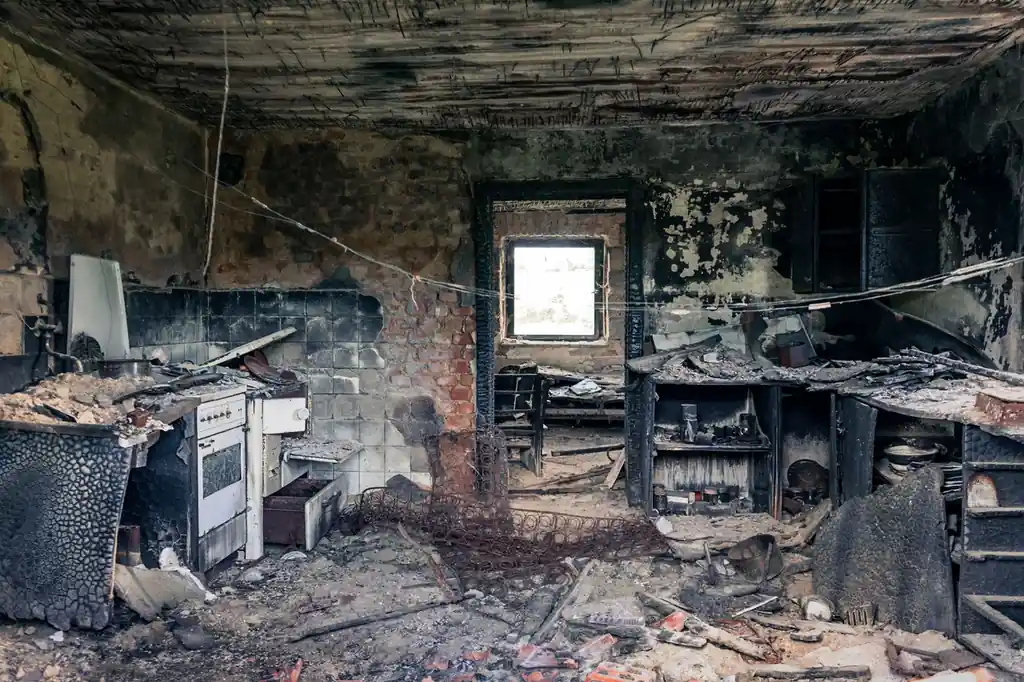
Drying is physics. Warm, dry, moving air takes up moisture, and a dehumidifier removes it from the room. The skill is in placing the equipment so every wet surface gets air, and in reading the meter honestly instead of stopping early.
Yes, dehumidifiers are a core part of drying after water damage, but they work with air movers and not alone. Air movers push moisture off wet surfaces, and dehumidifiers remove it from the air. A household unit helps with small damp spots, while larger leaks need commercial equipment.
You know it is dry when a moisture meter reads the same on the wet area as on a dry reference spot nearby. Touch is not reliable, because walls can feel dry while the cavity behind them stays wet. We record readings on every visit and stop only when they match.
Usually no. Open windows in a humid or hot period let moist outside air in, which slows drying. Dehumidifiers work best in a closed room. In dry desert conditions windows may help briefly, but meter readings should decide, not the weather.
Drying equipment uses real electricity, and most jobs run it for several days. Air movers draw modest power, and dehumidifiers draw more. We size the equipment to the job so it runs no longer than necessary, which keeps the extra use as low as possible.
Not seeing your question? Our local team can help you understand urgency, scheduling and what to expect.
Ask the local team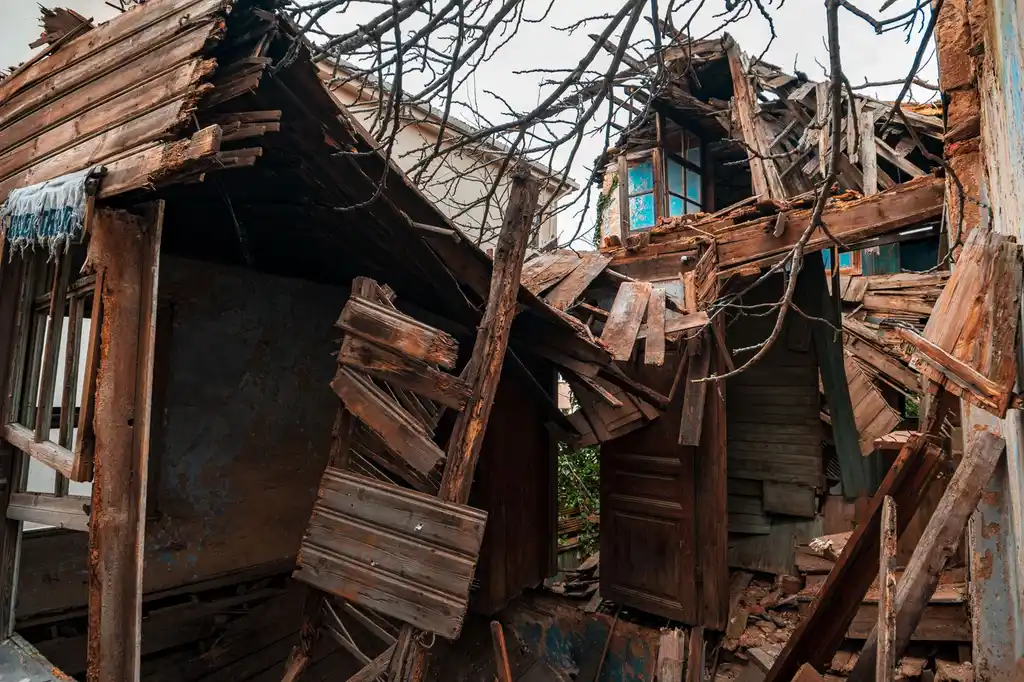
Drying works best after the bulk of the water has been pumped and vacuumed out. We extract first so the equipment only handles the moisture left in the materials.
View service
A split line can soak several rooms from the inside of a wall. We dry the wall cavities the pipe flooded, while your plumber fixes the pipe itself.
View serviceAfter storm water is removed and the area is cleaned, the floors and the base of the walls still need drying to a proper reading.
View service
A slow appliance leak can leave a wall wet for weeks without showing. We dry the wall and flooring behind the appliance once the leak is fixed.
View service
Water does not wait for business hours, so neither do we. Call (623) 278-0032 and tell us where the water came from, which rooms are wet and whether the source is shut off. We will go over the next steps with you by phone and get a crew headed to your El Mirage home.