Focused arrival windows
Useful updates and clear arrival timing.
Emergency Water Extraction in El Mirage means getting standing water off your floors fast, before it wicks into baseboards, carpet pad and drywall. If a pipe, water heater, washer or storm just flooded part of your home, we pump and vacuum the water out, check where it traveled, and begin the flood cleanup. Call (623) 278-0032, day or night.
Useful updates and clear arrival timing.
Review the approach and price before deciding.
Equipped vehicles and respectful cleanup.
Neighbors serving neighbors with follow-through.
Our extraction work covers the water itself and what it touched, from the first pump to the handoff to drying. Rebuilding walls or flooring afterward is a different job from getting the water out.
We remove water from tile, laminate, concrete and hard floors with a pump and wet vacuum. Starting at the lowest point of the room keeps water from pooling back and lets us clear the floor in a single pass.
We extract water from carpet fibers and pad with an extraction wand and check whether the pad can stay. This is the part of the job where a quick start saves the most material.
We confirm the water source is stopped and check where the water traveled, including under walls, into closets and into adjoining rooms, so nothing is left wet that you cannot see.
We read the nearby walls and flooring with a moisture meter before and after extraction, so we know which materials are wet and have a baseline to measure drying against.
We remove loose debris and clean the area we worked in. On storm jobs, that includes mud and the silt that runoff leaves behind on floors and low walls.
Share what is happening and receive a clear next step from the local team.
Emergency Water Extraction in El Mirage is the first stage of water damage cleanup that removes standing and absorbed water from a home using pumps, wet vacuums and extraction wands. It is needed any time water pools on a floor or soaks carpet and pad. Extraction comes before drying because air movers and dehumidifiers cannot do much against an inch of water on the floor. The more water we take out by machine, the less the drying equipment has to evaporate later.
Most El Mirage calls start with a source you can name: a supply line under a sink, a water heater that gave out in the garage, a washer hose, or storm runoff under a door. Each leaves a different mess, but the clock is the same. The EPA says a flooded home should be dried within 24 to 48 hours, so extraction has to start quickly. Our flood cleanup in El Mirage begins with the lowest point of the room and works outward.
You call (623) 278-0032 and tell us where the water came from and which rooms are wet. We tell you how to shut off the water at the main and when to leave the electrical panel alone, then we send a crew to your El Mirage home.
On site, we confirm the source is stopped, check where the water traveled, and look at flooring, baseboards and cabinets. Water often runs under a wall into the next room, so we check the rooms on the other side as well.
We pump deeper water with a submersible pump and vacuum the rest with a wet extraction vacuum. We work from the lowest point of the room toward the doorway so the water has nowhere to settle back.
On carpet, we use an extraction wand to pull water out of the fibers and the pad. We lift an edge to see the pad and the tack strip, and we tell you whether the pad can stay or should be removed.
Once the water is out, we read the walls and floor with a moisture meter and set air movers and dehumidifiers. The job does not end with extraction; drying finishes it, so we plan that next stage before we leave.
Removes deep standing water quickly from garages, basements and rooms flooded several inches deep, so the vacuum only handles what the pump leaves behind.
Pulls remaining water from hard floors and low spots after the pump is done, working from the lowest point of the room toward the doorway.
Draws water out of carpet fibers and pad, which is where flooring holds most of its water after a leak or flood.
Reads moisture in drywall, baseboard and flooring, so we find wet material that cannot be seen and have a baseline for the drying stage.
Water settles toward the lowest point of a room, so we start extraction there and work outward. This keeps water from running back across the area we just cleared.
We trace where the water traveled instead of stopping at the visible wet area. Checking the adjoining rooms and the other side of the wall catches moisture that would otherwise be left behind.
We identify whether the water is clean, such as from a supply line, or contaminated, such as storm runoff, because that decides what can be saved and how the area is cleaned.
We pump and vacuum the kitchen, extract water under the cabinet toe-kicks, and check the adjoining dining room for water that traveled under the wall. The standing water is gone within hours, and the kitchen is ready for drying before the cabinets and flooring take on more moisture.
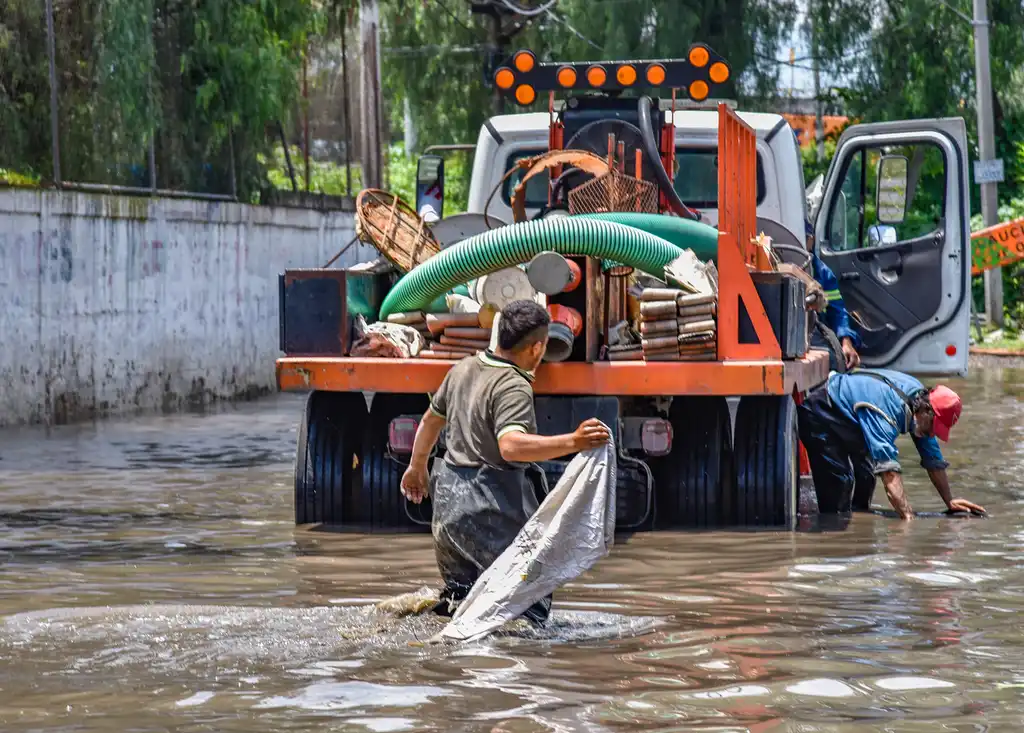
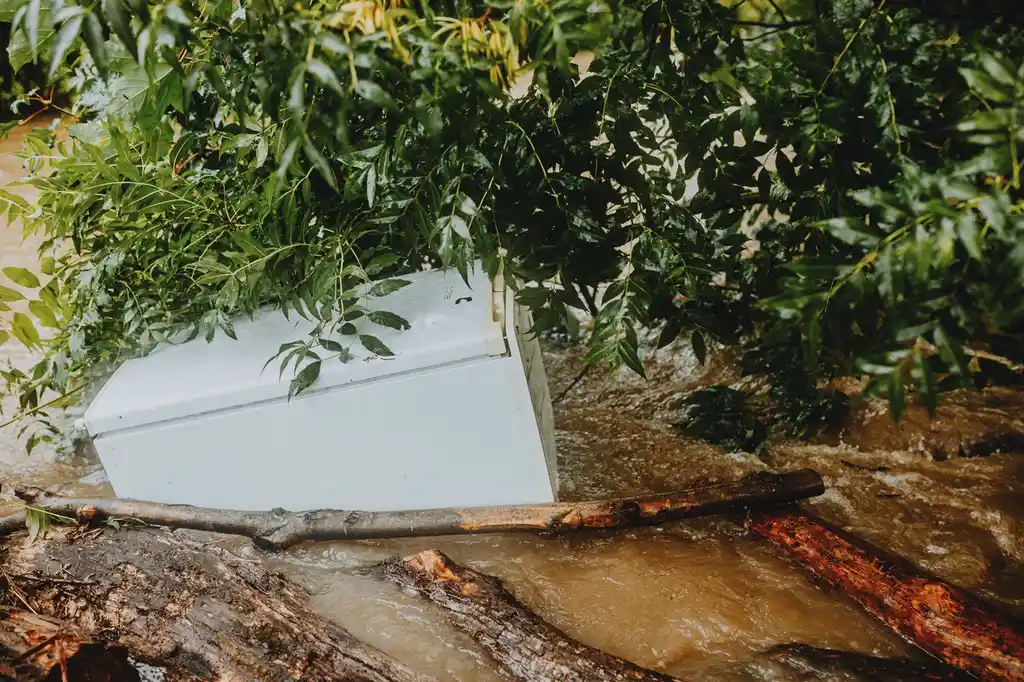
We extract the storm water, remove the silt and debris it carried in, and treat the area as contaminated until it is cleaned. Then we dry the flooring and the base of the walls. The room is cleared of mud and standing water, and the drying stage begins on a clean surface instead of on top of the mess.
We extract the water on the floor, protect the area under the leak, and find how far the water spread above the ceiling so the wet material can be dried or removed. The floor is dry, the wet ceiling material is addressed, and the problem stops growing while you arrange for the source to be repaired.
El Mirage sits in the low desert of Maricopa County, where July highs average near 105 degrees and the city gets about 8 inches of rain in a year. That dry air helps floors look dry quickly, which is the trap: water can stay in the wall cavity and subfloor while the surface feels fine. Monsoon storms between June 15 and September 30 are the main source of runoff flooding, while the rest of the year the calls come from supply lines, water heaters, washers and AC condensate lines. Our flood cleanup in El Mirage uses a meter, not the surface, to decide when extraction is finished and when drying can begin.
Homes along this busy road reach us quickly, so a crew can be at your door soon after your call.
Residential streets here are covered by our crew, with standing-water calls handled the same way as the rest of the city.
Neighborhoods closer to the river can see runoff during heavy storms, and we handle storm-water extraction there.
Storm water often carries mud and debris into garages and low rooms. We extract the water and remove the silt before drying begins.
Surfaces can dry in 24 to 48 hours while water stays inside walls and subfloor, so we rely on moisture readings, not touch.
A water heater gave out overnight and left standing water across the garage slab and into the closet carpet next to it. The wall bottom plate was wet, and the water was still spreading toward the hallway.
We pumped the slab, extracted the closet carpet and pad, and checked the wall with a meter. The standing water was removed, the wet pad was addressed, and drying equipment was set to work on the wall.
Maintenance: Have the water heater repaired or replaced by a plumber, and check the area for a few days for any new dampness along the baseboard.
A supply line failed while no one was home and water spread across the kitchen floor under the cabinets. The toe-kick boards were swollen and the floor near the dining room was damp.
We extracted the kitchen and dining room floors, pulled water from under the cabinet toe-kicks and read the adjoining walls. The floors were clear of water and ready for the drying stage.
Maintenance: Replace the failed supply line and consider braided stainless supply hoses, then run the water and check under the sink for leaks.
A monsoon storm pushed runoff under the back door. The family room carpet was soaked, mud covered the floor, and the base of the walls was wet.
We extracted the storm water, removed the mud and debris, and cleaned the area. The wet carpet and pad were removed when they could not be saved, and the drying stage began on a clean floor.
Maintenance: Check the door threshold and the grading near the door so runoff has a path away from the house before the next storm.
Extraction answers the most urgent problem first: water that is still on the floor and spreading. These are the situations we see most often and how we handle them.
Left in place, the water wicks into the wall bottom plate and carpet in the next room, and the wet area grows every hour. We pump the water off the slab, extract the closet carpet and pad, and check the wall behind the heater. Then we set equipment to dry the rooms the water reached.
Water under flooring and baseboards can soak the subfloor and spread into rooms that look dry, which makes the job larger later. We extract the laundry room and hallway, check the walls on both sides with a meter, and plan the drying so every wet spot gets airflow.
Carpet pad can hold many times its dry weight in water, and it can stay wet for days if no one extracts it. We use an extraction wand to pull water from the carpet and pad and lift an edge to inspect underneath. If the pad has to go, we tell you before we remove it.
Floodwater can carry contaminants and leaves silt behind, so waiting makes both the cleanup and the health risk worse. We pump out the water, remove the mud and debris, and treat the area as contaminated until it is cleaned and dry.
Quoted per job after we see the water
Emergency Water Extraction in El Mirage is priced by the job, and 2026 quotes follow the same few factors every time: how much water there is, how many rooms it reached, what kind of water it is and what materials it soaked. You get the number before we put equipment on the floor. We tell you plainly what pushes the price up and what keeps it down.
Starting extraction quickly usually keeps the job smaller, because the water has less time to reach walls and subfloor. You get a clear price before work begins, and the quote covers the rooms the water actually reached.
An inch of water across one room is a smaller job than several inches across a garage and hallway. More water takes more pumping time and more passes with the vacuum.
Water that crossed into hallways and bedrooms means more floor to extract and more walls to check. We trace the path so the quote covers every room that is actually wet.
Clean water from a supply line is more straightforward than storm runoff or a sewage backup, which need extra cleanup and care because the water is contaminated.
Carpet extraction takes more time than hard floors, since the pad holds a lot of water. Whether the pad can stay or has to go also changes the scope.
A job that starts within hours is usually smaller than one that sat overnight, because the water has had less time to soak into walls and subfloor.
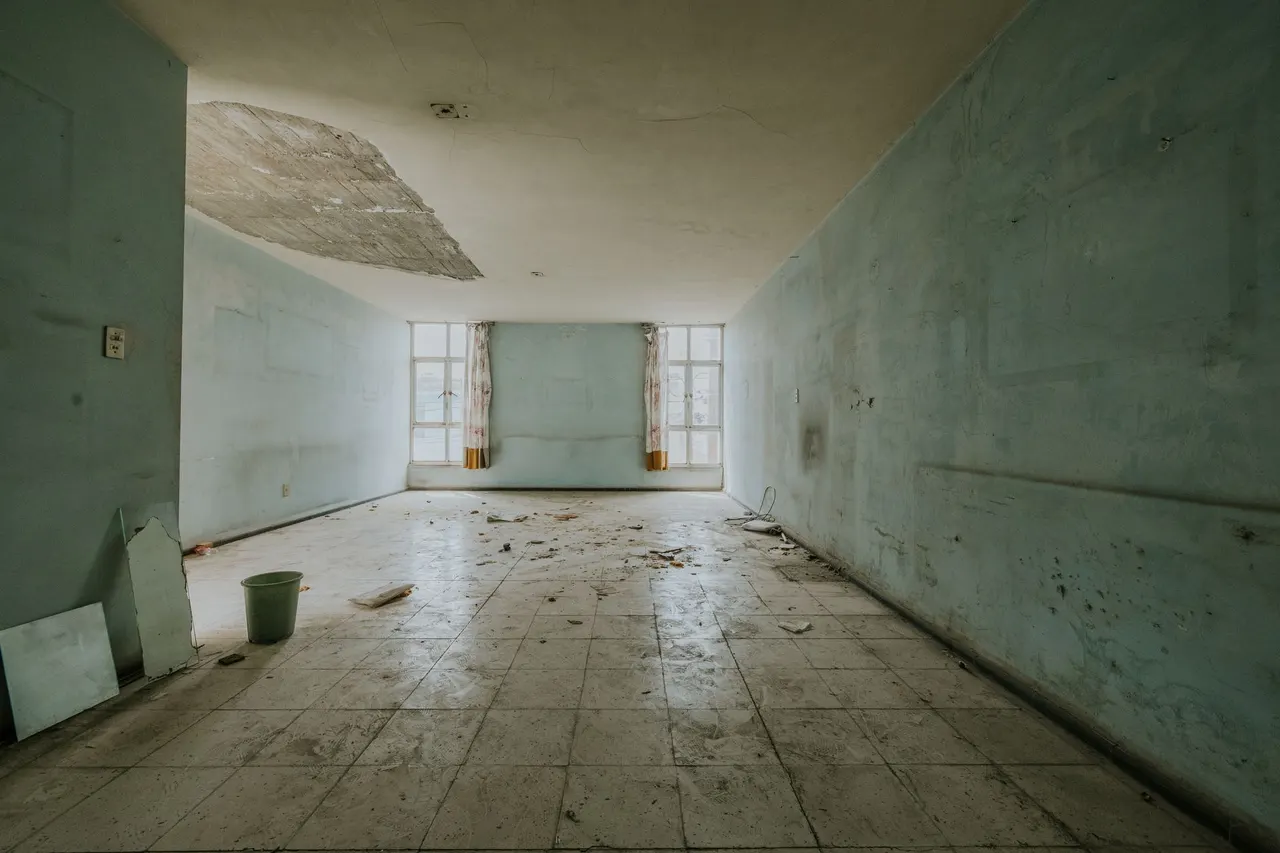
Water behaves predictably, and good extraction comes from knowing that. It goes down and then out, it travels along the path of least resistance, and it gets into places you cannot see. We work from that, not from guesswork, and we check each room with a meter instead of trusting how a floor feels underfoot.
Water extraction means removing standing and absorbed water from a home with pumps, wet vacuums and extraction wands. It is the first step of water damage cleanup, done before drying. Extraction takes out the bulk of the water, and air movers and dehumidifiers then dry what remains in the walls, floors and carpet pad.
Extraction in a single room often takes a few hours, and larger floods can take longer. The time depends on the depth of the water, the size of the area and whether carpet and pad are involved. Extraction is only the first stage; drying the structure afterward typically takes several more days.
Sometimes. Carpet can often be saved when the water is clean, like a supply-line leak, and extraction starts within the first day. The pad underneath usually holds the most water and is often replaced. Water from a storm or sewage source makes carpet harder to save, because that water is contaminated.
Extraction removes liquid water with pumps and vacuums, while drying removes the moisture left in the materials with air movers and dehumidifiers. Extraction comes first because machines remove bulk water far faster than evaporation. Drying then finishes the job by pulling moisture out of walls, flooring and subfloor.
Not seeing your question? Our local team can help you understand urgency, scheduling and what to expect.
Ask the local team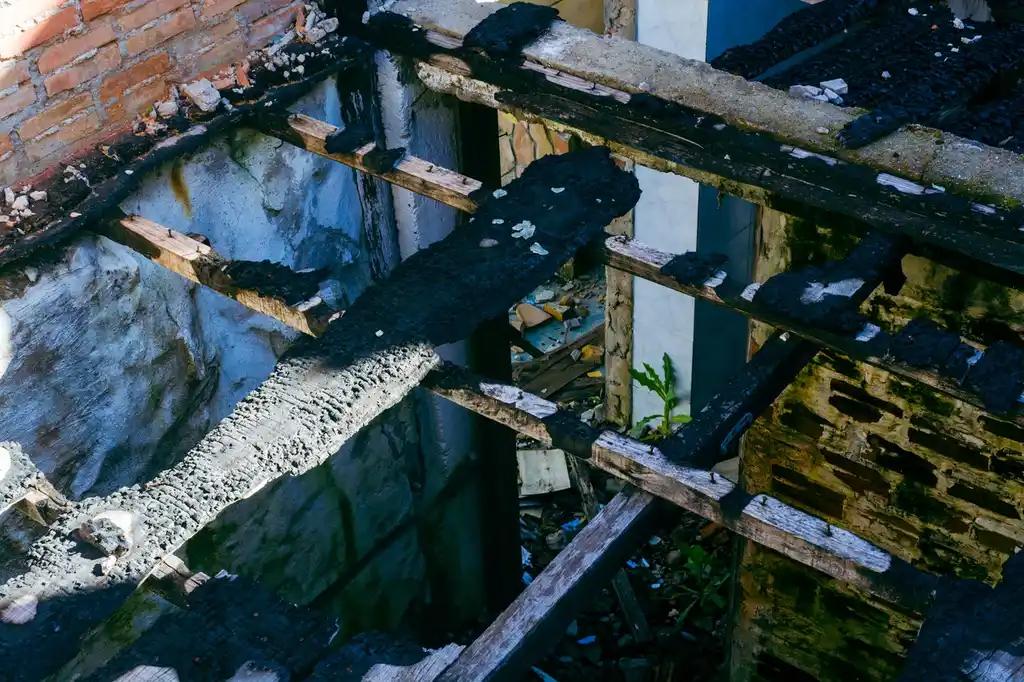
After the standing water is out, the walls and floor still hold moisture. Drying with air movers and dehumidifiers is the next stage, and we take moisture readings until the structure reaches a dry reading in your El Mirage home.
View service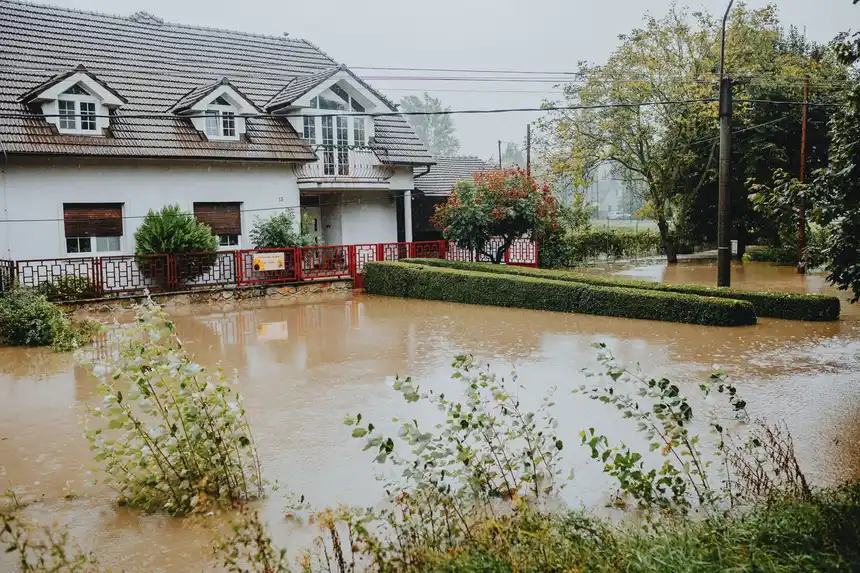
Many extraction calls begin with a split supply line. We extract the water the pipe released and dry the rooms it reached, while your plumber repairs the pipe itself.
View serviceStorm water carries mud and debris, so extraction on those jobs includes cleanup of what the water brought in. We treat that water as contaminated until the area is cleaned and dry.
View serviceA water heater or washer failure can put several inches of water on a slab or a laundry room floor. We extract it quickly and check the wall behind the appliance for hidden moisture.
View service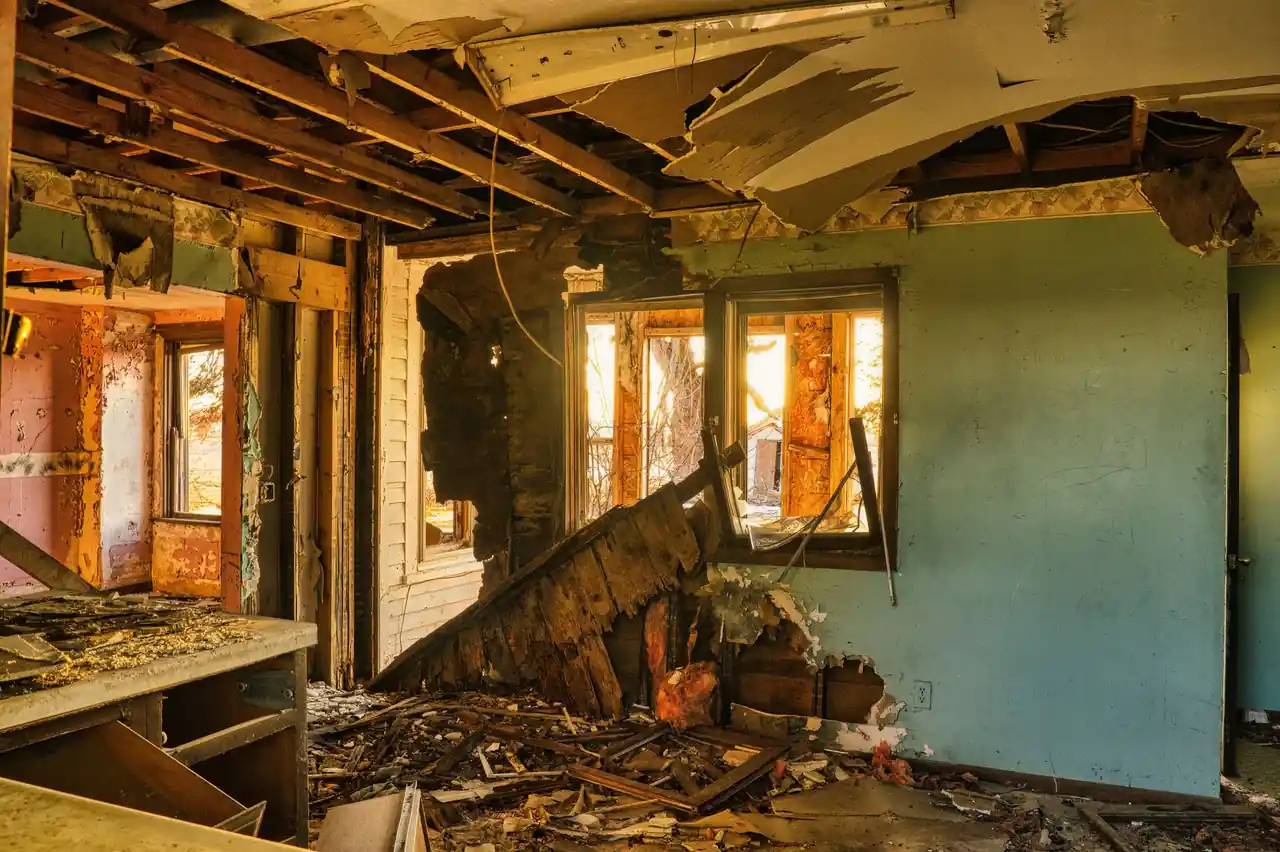
Water does not wait for business hours, so neither do we. Call (623) 278-0032 and tell us where the water came from, which rooms are wet and whether the source is shut off. We will go over the next steps with you by phone and get a crew headed to your El Mirage home.