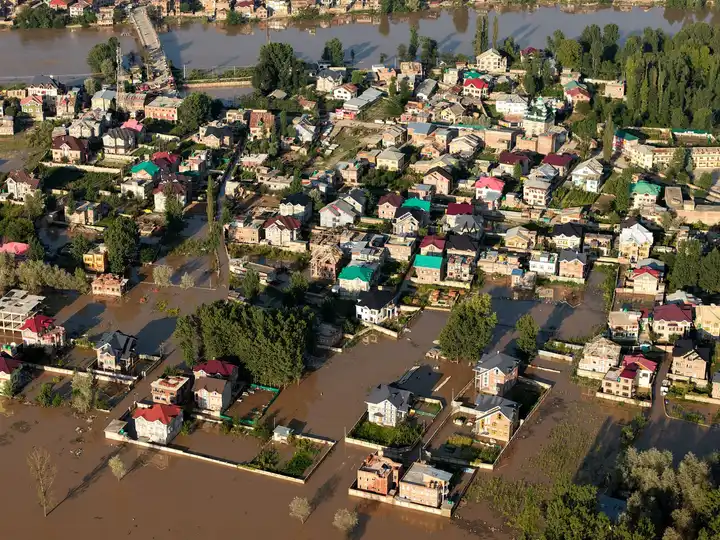
How Long Does Water Damage Take to Dry?
Most water damage takes 3 to 5 days to dry with professional equipment, but some materials take longer. Here is what sets the timeline and how to know it is dry.

Water damage typically takes three to five days to dry when a crew uses air movers and dehumidifiers, though surfaces may feel dry in a day and thick materials can take a week or more. The time depends on how much water got in, what it soaked and how quickly drying started. This guide lays out a realistic timeline, what speeds it up, and how to tell when your home is actually dry and not just dry to the touch.
What is the typical drying timeline?
The typical drying timeline for water damage in a home is three to five days of active drying, preceded by the water removal that comes first. Drying is the stage that removes moisture left in materials after the standing water is gone, and it follows a predictable arc.
- Hours 0 to 24: standing water is pumped and vacuumed out, carpet and pad are extracted, and drying equipment is set.
- Days 1 to 2: surfaces dry first. Floors and the face of the walls start reading closer to normal, while the inside of the walls stays wet.
- Days 2 to 4: the deeper moisture in drywall, framing and subfloor comes out slowly as dehumidifiers keep the air dry.
- Days 3 to 5: readings on the wet areas approach the readings on dry reference spots, and the crew confirms it with a meter.
Some jobs finish in two or three days, and some run longer. A small, clean-water leak caught early dries faster than a flooded hallway that sat overnight. The meter decides when drying ends, not the calendar.
Drying starts after the bulk of the water is removed, which is why Emergency Water Extraction in El Mirage comes first. Every gallon pumped out is a gallon the dehumidifiers do not have to evaporate later, which shortens the days that follow.
What makes water damage dry faster or slower?
Several factors make water damage dry faster or slower, and the biggest are how much water there was, what it soaked and how fast drying began. These are the main ones.
- How soon drying starts. Starting within the first day keeps water from soaking deeper, so there is less to dry.
- Type of material. Tile dries quickly. Drywall dries at a moderate pace. Hardwood, subfloor and dense framing dry slowly.
- Amount of water. A flooded room holds far more moisture than a damp spot.
- Air movement and humidity. Moving air and low humidity pull moisture out faster. Still, humid air slows everything down.
- Temperature. Warm air holds more moisture, so drying runs faster in a warm room than a cold one.
The EPA recommends keeping indoor humidity between 30 and 50 percent, and professional dehumidifiers are used to hold a drying room in that range.
When the water came from a split line, the wall cavity is often the slowest part. Our Burst Pipe Water Cleanup in El Mirage work includes opening the wall at the break so air can reach the cavity, which is what keeps the drying time from stretching out.
Does dry desert air shorten the drying time in El Mirage?
Dry desert air helps surfaces dry quickly in El Mirage, but it does not dry the inside of walls, and that is the part that matters. Outdoor humidity in the Phoenix area is often low, so a wet carpet edge or a damp floor can look dry within a day.
That is the trap. A wall cavity is sealed, so the air inside it hardly moves, and the water inside stays put regardless of how dry the air is outside. Insulation holds moisture, and drywall holds more than it looks like it does. The surface can feel dry while the inside is still wet.
For that reason we do not use the weather or the feel of the surface to decide when drying is done. We use a moisture meter and compare the wet area against a dry reference spot. Summer air conditioning can also change humidity from room to room, so we measure each space on its own.
Opening windows is rarely the answer. During a humid monsoon period it brings moisture in, and in dry weather it helps only a little. A closed room with dehumidifiers running is a more controlled way to dry.
How do you know water damage is completely dry?
You know water damage is completely dry when a moisture meter reads the same on the wet area as on a dry reference spot nearby, and when humidity in the room has come down to the normal range. Touch and smell are not enough.
A moisture meter measures how wet a material is, and every material has a normal dry reading. We record readings when we start and again on every visit. When the wet areas match the dry reference, drying is done.
Signs that a place is not dry yet include a musty smell, a wall that feels cool to the touch, baseboards that look swollen and paint that bubbles or peels. Any of those after a leak is a reason to check with a meter instead of assuming the problem is over.
Our Structural Drying & Dehumidification in El Mirage service is built around those daily readings, so you can see the numbers come down and know exactly when the equipment can come out.
Why do wall cavities and floors take longest?
Wall cavities and floors take the longest to dry because they are dense, layered or closed in, so moisture has a hard path out. These are the usual slow spots.
Wall cavities. The space between drywall and studs is closed, and insulation soaks up water. Drying it means opening a small section or drilling holes so air can move through.
Subfloor and wood flooring. Wood takes in water and gives it back slowly. If moisture is trapped under flooring, the boards can cup or buckle, so drying is done in a controlled way.
Carpet pad. Pad holds a lot of water and sits between the carpet and the floor, so it is often removed and the floor below is dried.
Cabinet bases. The enclosed space behind toe-kicks stays wet longer than the open room.
Ceilings are another slow area. When water collects above the drywall, Ceiling & Wall Leak Water Cleanup in El Mirage means removing wet insulation and drying the cavity, and that takes more time than drying an open floor.
Common mistakes that stretch the drying time
The most common mistakes that stretch drying time are stopping too early, running the wrong equipment and closing up a wall that is still wet. They are easy to avoid once you know them.
- Using one household fan. A fan moves air but does not remove moisture, so humidity stays high.
- Opening windows during humid weather. Moist outside air slows drying.
- Judging by touch. A wall can feel dry and read wet.
- Painting or closing the wall early. New paint and drywall trap moisture and invite staining and odor.
- Turning off the AC. A cool, dry, closed room dries more predictably than a hot, open one.
If a water heater or washer caused the leak, the wall behind the appliance is often the slow spot. Our Appliance & Water Heater Leak Cleanup in El Mirage work checks that wall with a meter and dries it to a proper reading.
After a storm, the base of the walls and the floor take the longest. Monsoon & Storm Flood Water Removal in El Mirage adds cleaning to the process, because storm water is contaminated, and drying begins once the area has been cleaned.
When to call a professional
You should call a professional when water has reached drywall, flooring or the base of a wall, when it has been wet for more than a day, or when you notice a musty smell after a leak. These are the signs that the moisture is deeper than the surface.
A crew with air movers, dehumidifiers and a moisture meter can dry a home in days that would take weeks with fans and open windows. Water Damage El Mirage Pros answers day or night, checks the walls and floors with a meter, and stays until the readings say the job is done.
Frequently Asked Questions
How long does it take a wet carpet to dry?
A wet carpet typically takes one to three days to dry with extraction and air movers, but the pad underneath takes longer and is often removed. Without equipment, it can stay damp for much longer.
How long does drywall take to dry after a leak?
Drywall typically takes three to five days to dry with air movers and dehumidifiers if it has not softened. Drywall that has stayed wet for days is often cut out and replaced.
Can I dry water damage with fans alone?
Fans help move air, but they do not remove moisture from the room. Without a dehumidifier, humidity stays high and drying takes much longer. For anything beyond a small damp spot, use dehumidifiers.
How long before mold can start after water damage?
The EPA advises drying wet materials within 24 to 48 hours to limit mold growth, which is why starting drying early matters.
Get help with Water Damage Removal in El Mirage
If your home is still wet, the sooner drying starts, the shorter the job. Call us and we will tell you what to do first.