Water Damage Insurance Claims: What to Document and When to Call
Document the damage before cleanup starts, stop the water and call your insurer early. Here is what to photograph, what to keep and when to call a pro.

For a water damage insurance claim, stop the water, photograph and video everything before you move it, and call your insurer promptly. Then take reasonable steps to prevent more damage and keep every receipt. Most policies expect you to do both, and the claim goes more smoothly when the record starts on day one. This guide covers what to document, what to keep, what policies typically cover and when to call a professional.
We are a water removal company, not an insurance advisor, so your policy and your insurer have the final word on what is covered.
What should you do first after water damage?
The first thing to do after water damage is stop the source, make the area safe and then start documenting. If a pipe is running, shut off the main valve. If water is near outlets or the panel, stay out and turn off power only if you can reach the breaker without standing in water.
Once it is safe, call your insurance company to report the loss and ask how they want to handle the claim. Many policies expect prompt notice, and some set a time limit for filing, so waiting can cause problems.
Then take reasonable steps to prevent more damage. Most policies expect you to protect the property after a loss, which usually means stopping the water, removing standing water and starting drying. A crew that starts Emergency Water Extraction in El Mirage right away is doing exactly that, and the receipt for that work is part of your claim record.
What should you document for a water damage claim?
For a water damage claim you should document the source of the water, every wet room and every damaged item, using photos, video and written notes taken before anything is moved or thrown away. A clear record is the most useful thing you can give an adjuster.
- The source. Photograph the broken pipe, failed water heater, washer hose or roof leak, and note the time you found it.
- Each wet room. Take wide shots of the room, then close-ups of the floor, baseboards, walls and ceiling.
- Standing water. Photograph the depth with a tape measure or ruler in the frame when you can.
- Damaged items. Photograph each item, including furniture, rugs, electronics and boxes, and list them.
- A video walk-through. Record a slow video of each room while describing what you see.
Add notes with dates and times. Write down when the water started, when you shut it off and when you called your insurer and the cleanup crew. A moisture reading from the cleanup crew adds objective data about how far the water went.
For leaks inside walls or ceilings, document the stains and any sagging before the area is opened. Ceiling & Wall Leak Water Cleanup in El Mirage involves cutting out wet material, so take your photos first.
What does homeowners insurance usually cover for water damage?
Homeowners insurance typically covers sudden and accidental water damage, such as a pipe that bursts or a water heater that fails, but typically does not cover gradual leaks, poor maintenance or flooding from outside. The details depend on your policy, so read yours or ask your agent.
Here is how the common situations are usually treated.
- Sudden pipe or appliance failure: often covered, including the cleanup and drying.
- Slow leaks over time: often excluded, because insurers treat them as maintenance issues.
- Rising surface water or storm flooding: typically excluded from a standard homeowners policy and covered, if at all, by a separate flood policy.
- Sewer or drain backup: often requires an added endorsement.
These are general patterns, not guarantees. Your insurer decides based on your policy language and the cause of the loss.
When a supply line splits, the water cleanup is generally the first thing an insurer expects to see handled. Our Burst Pipe Water Cleanup in El Mirage work covers the water removal and drying, while your plumber repairs the pipe, and both sets of paperwork can go into your claim file.
Should you clean up before the adjuster arrives?
You should start emergency cleanup before the adjuster arrives, but only after you have documented the damage. Waiting days for an adjuster while water sits makes the damage bigger, and most policies expect you to limit further loss.
The order that works is simple. Document first. Then remove standing water and start drying. Keep damaged materials, or photograph and sample them, until your insurer says you can discard them. A piece of wet carpet or a section of drywall can show the adjuster what happened.
Do not wait on drying either. The EPA advises drying a flooded home within 24 to 48 hours to limit mold growth, so there is a real clock running. If your insurer cannot send someone quickly, ask what they want you to keep and what you can start on, and follow their answer.
Drying should continue until readings show the structure is dry, and Structural Drying & Dehumidification in El Mirage comes with daily moisture readings you can add to your file as proof of the work.
Which receipts and records should you keep?
You should keep every receipt, invoice and written record connected to the loss, because they show what you spent protecting your home and what the damage cost. Keep them together in one folder.
- Cleanup and drying invoices, including the date, the work done and the equipment used.
- Moisture readings and notes from the crew.
- Plumber or appliance repair invoices.
- Receipts for emergency purchases, such as fans, tarps or a hotel stay if you had to leave.
- A list of damaged belongings with age, purchase price if you know it and photos.
- A log of every call with your insurer, with names, dates and what was said.
If a water heater or washer caused the loss, keep the failed part when you can. Appliance & Water Heater Leak Cleanup in El Mirage work often ends with a clear note about what failed, and the part itself can be useful evidence of a sudden failure.
Common mistakes that hurt a claim
The most common mistakes that hurt a water damage claim are throwing things away too soon, waiting too long to report and skipping the written record. Each one is easy to avoid.
- Discarding items before photographing them. Without a record, it is harder to prove what was damaged.
- Waiting to report the loss. Late notice can complicate a claim.
- Skipping mitigation. Letting water sit can make the insurer question the extra damage.
- Not keeping receipts. You cannot be reimbursed for costs you cannot show.
- Guessing at the cause. Let the plumber or technician identify the source and write it down.
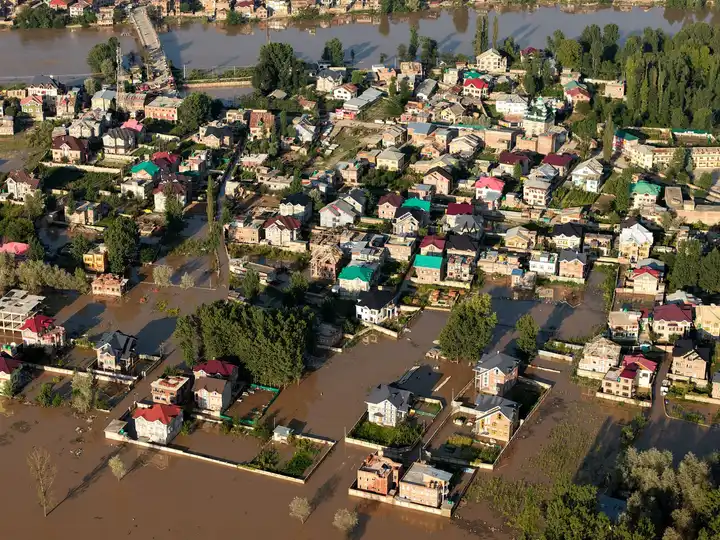
Storm flooding needs its own care. Standard homeowners policies often exclude flood damage, so check your coverage before assuming anything. Our Monsoon & Storm Flood Water Removal in El Mirage work can start right away, and you can sort out the coverage question with your insurer at the same time.
When to call a professional
You should call a professional as soon as water reaches walls, flooring or more than a small area, and before you start throwing things out. A crew can stop the damage from spreading and give you the dated records an insurance claim runs on.
Water Damage El Mirage Pros answers day or night, takes moisture readings, and writes down what we find and what we do, so you have a clear record for your insurer. We handle the water removal and drying, and your insurance company decides what is covered.
Frequently Asked Questions
How soon should I report water damage to my insurance company?
Report it as soon as you can, ideally the same day. Many policies require prompt notice, and waiting can complicate the claim. Check your policy for any time limit.
Does insurance cover a burst pipe?
Often yes. Sudden and accidental pipe bursts are commonly covered, including the cleanup and drying, but coverage depends on your policy and the cause of the loss.
Does homeowners insurance cover flooding from a storm?
Typically no. Standard homeowners policies usually exclude flood damage from rising or surface water, and a separate flood policy covers it, if you have one.
Should I take photos before the cleanup crew arrives?
Yes. Take photos and video of the source and every wet room before anything is moved or removed. The crew can then add moisture readings and notes to your record.
Get help with Water Damage Removal in El Mirage
If water has damaged your home, document it, then call us to start water removal and drying. We answer day or night.